School SVG Design, Back to School
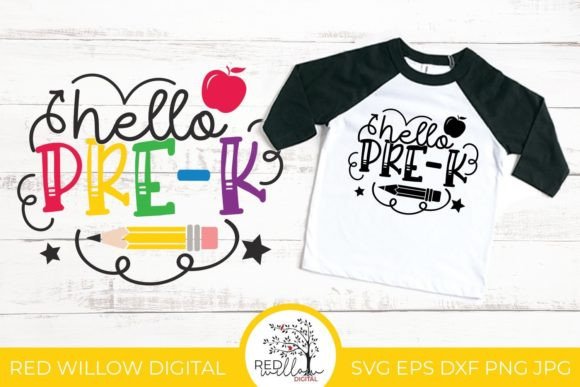
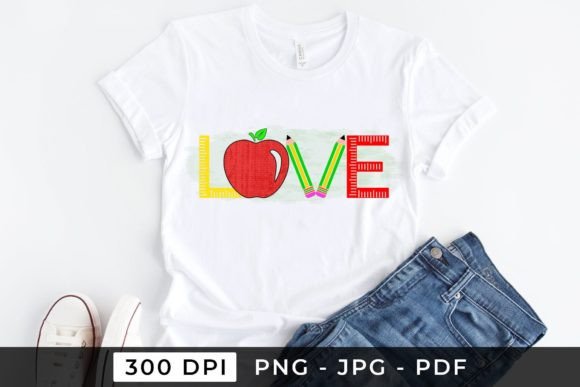
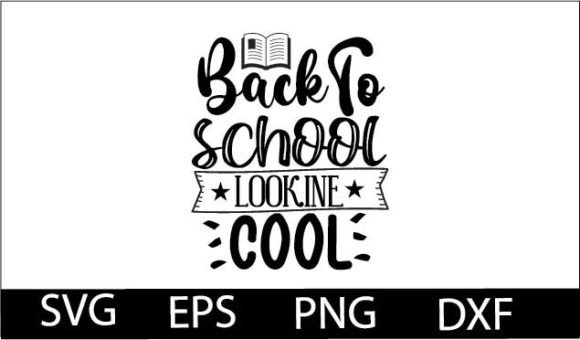
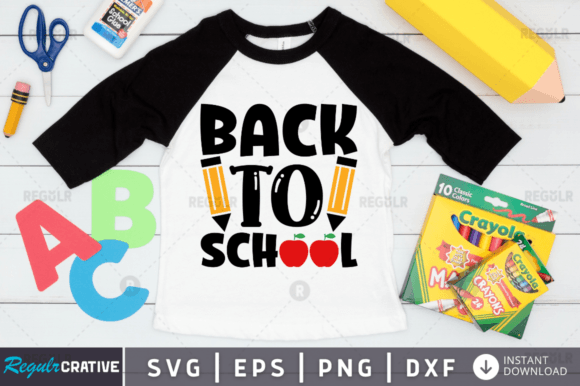
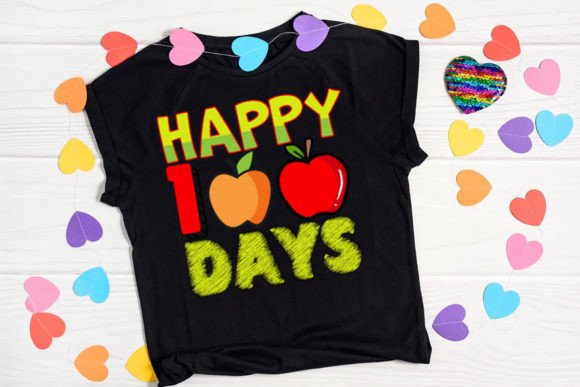
As a designer who’s stitched over 300 custom embroidery projects for Etsy sellers, boutique brands, and local craft fairs, I opened School Svg Design, Back to School expecting something cheerful—but not necessarily stitch-ready. What I found was a clean, balanced graphic that leans into nostalgia without leaning too hard on cliché. It’s got chalkboard textures, a subtle apple motif, and tidy sans-serif lettering that reads clearly at 3–4 inches wide. No frantic swirls, no overcrowded icons—just focused visual storytelling. That matters, especially when you’re embroidering it onto a soft cotton tote bag for a teacher appreciation gift or stitching it onto a baby onesie for a “First Day of Preschool” keepsake.
Where This Design Lives Best (and Where It Doesn’t)
School Svg Design, Back to School shines in medium-to-large applications: sweatshirt chest logos, tote bag center panels, pillow covers for nursery decor, and embroidered patches for school spirit kits. Its layout breathes—there’s intentional negative space around the main elements, which translates well into satin-stitched outlines and smooth fill-stitch areas. I tested a version on a lightweight cotton twill apron, and the design held crispness across curves without distortion. The lettering stayed legible, and the apple icon retained its shape even with moderate thread tension.
It’s less ideal for tight spaces. On a structured baseball cap front, the smaller details—like the subtle leaf on the apple stem or fine line work inside the chalkboard frame—tend to blur or skip during stitching unless you reduce density and use ultra-fine needles. Same goes for thin jersey t-shirts: without proper cutaway stabilizer and careful hooping, the design can pucker or lose definition. And while the EPS and SVG files scale beautifully for digital mockups, remember: scalability ≠ stitchability. A 1-inch version may look sharp on screen but won’t translate cleanly to machine embroidery without redigitizing.
Real-World Fit for Your Craft Business
I recently used School Svg Design, Back to School as the centerpiece for a set of personalized lunchbox napkins—cotton flannel with cotton embroidery thread. Customers loved the warmth and clarity. It felt handmade, not mass-produced. That’s because the design avoids over-engineered embellishments. There’s no excessive layering, no dense fill stitches that trap lint or stiffen fabric. That means better drape, softer wear, and higher perceived value for your finished product.
For Etsy sellers and small shop owners, this matters deeply. Buyers scroll past generic clipart; they pause for designs that feel intentional and tactile. School Svg Design, Back to School supports that—it’s versatile enough for back-to-school bundles (think: matching tote + tea towel + embroidered patch), yet distinctive enough to stand alone on a holiday gift set for a new grad or first-year teacher.
What You’ll Need to Check Before Stitching
Before loading School Svg Design, Back to School into your embroidery software, do these five things:
- Test it on scrap fabric first—especially if using textured fabrics like linen or terry cloth;
- Check thread color contrast on both light and dark backgrounds (a pale yellow apple won’t pop on a mustard sweatshirt without adjusting thread tone);
- Review stitch density—if it feels heavy for your fabric type, simplify fill areas or switch some satin stitches to running stitch accents;
- Confirm hoop size compatibility: this design works best in a 4x4 or larger hoop for full fidelity;
- Inspect tiny corners and interior cutouts—those are common failure points on curved surfaces like caps or sleeves.
Also, don’t skip the black-and-white mockup test. If the design loses hierarchy or readability without color cues, it’ll struggle on monochrome merchandise like embroidered denim jackets or vintage-style tea towels.
Design Assets That Support, Not Replace, Your Craftsmanship
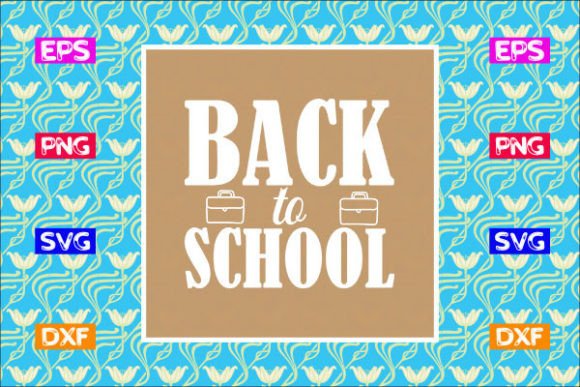
This isn’t just another graphics download. As a machine embroidery design, School Svg Design, Back to School functions as a reliable foundation—not a shortcut. It gives you room to add your own voice: swap thread colors to match school branding, pair it with hand-stitched flourishes, or combine it with coordinating applique designs for layered texture. For digital product sellers, the inclusion of EPS, SVG, PNG, and DXF files means you can repurpose it across platforms—print-on-demand mockups, sublimation previews, or vector-based branding kits—without reworking the core asset.
But here’s what it doesn’t do: it won’t fix poor stabilizer choice, bad hooping technique, or mismatched thread weight. Those decisions still live with you—the designer, the maker, the business owner. So treat School Svg Design, Back to School like a well-cut pattern piece: precise, thoughtful, and ready to elevate your work—if you meet it with equal care.
A Final Thought for Creative Entrepreneurs
If you’re curating embroidery file collections for resale, building seasonal craft kits, or designing limited-run merchandise for a local school fundraiser, School Svg Design, Back to School earns its place—not because it’s flashy, but because it’s functional, friendly, and quietly professional. It signals thoughtfulness to customers: the kind who notice how evenly spaced the letters are, how the apple stem curls just enough to feel alive, and how easily it adapts from baby embroidery to adult apparel without looking out of place.
That adaptability is rare in Crafts category graphics. Most lean too juvenile or too corporate. This one walks the line—and does it in stitchable, sellable, share-worthy form. Just remember: always verify licensing before bundling it into commercial embroidery kits or reselling the digital embroidery file itself. And when in doubt? Stitch it small, photograph it in natural light, and ask yourself: would I buy this as a personalized gift? If yes—you’re holding more than a design. You’re holding a quiet, confident starting point.