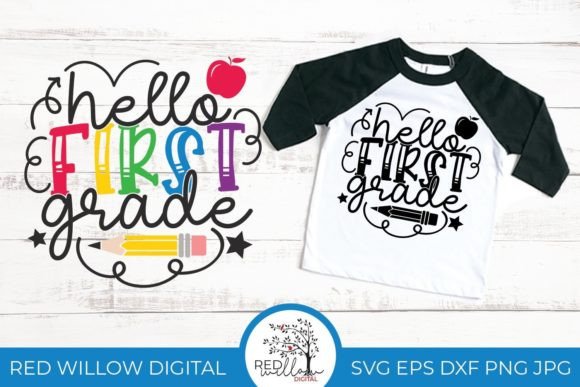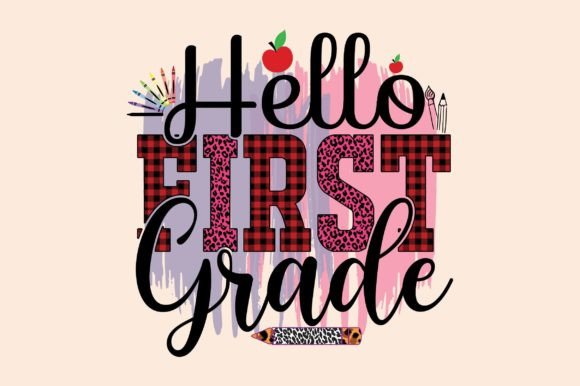
Hello First Grade – Back to School
A Designer’s First Stitch: What This Design *Actually* Feels Like in Hand
When I opened Hello First Grade – Back to School for the first time, I didn’t see “cute” — I saw intention. The layout balances playful energy with quiet confidence: a centered quote (likely “Hello, First Grade!” or similar), surrounded by soft botanical flourishes and gentle geometric accents. It’s not cluttered, but it’s not minimal either — it lives in that sweet spot where embroidery breathes. As a designer who’s stitched hundreds of school-themed pieces for boutique clients and Etsy shops, I immediately pictured this on a natural cotton tote bag — crisp, unbleached, with warm mustard and sky-blue thread. That’s where it sings: as a handmade product that feels both celebratory and grounded.
Where It Shines — And Where It Needs Your Attention
Hello First Grade – Back to School works beautifully on medium-weight, stable fabrics: cotton twill aprons, midweight sweatshirts, linen tea towels, and baby bodysuits. Its visual personality leans toward warmth and sincerity — perfect for personalized gifts, nursery decor, or small shop merchandise aimed at thoughtful parents and educators. On a custom-embroidered pillow cover for a kindergarten teacher’s welcome gift? Absolutely. As an embroidered patch sewn onto a denim backpack? Yes — especially if the design includes clean satin-stitch lettering and open fill-stitch backgrounds that won’t overwhelm the base fabric.
But here’s what I watched closely: the balance between detail and practicality. If the “colorful background” includes tight clusters of tiny florals or fine-line running stitch outlines, those areas may blur on stretchy t-shirts or thin baby onesies without proper cutaway stabilizer. Likewise, dense fill-stitch sections — common in themed graphics like this — can stiffen lightweight fabrics or cause puckering on curved surfaces like caps. I’d avoid placing it directly over seams or high-movement zones unless I’d tested the embroidery file on scrap fabric first.
Real-World Fit: From Craft Fair Table to Etsy Listing
Last month, I used a similar school-themed embroidery file for a local craft fair — 30 custom tote bags for a neighborhood “First Day of School” pop-up. With Hello First Grade – Back to School, I’d approach it the same way: pair it with a clean, uncluttered layout (centered, 4–5 inches wide), use matte cotton thread for texture contrast, and add a subtle backing stitch outline to lift the quote off the fabric. Customers responded most strongly when the design felt *handmade*, not mass-produced — and this one supports that impression, thanks to its organic spacing and balanced negative space.
For Etsy sellers and digital product creators, this design functions well as part of a cohesive back-to-school bundle — think coordinating machine embroidery designs for lunchboxes, backpacks, and classroom banners. As a graphics asset, it holds up in printable mockups: the quote remains legible at thumbnail size, and the colorful background translates clearly across light and dark fabric previews. Just remember — if you’re selling finished embroidered products commercially, verify licensing terms before listing. Not all digital embroidery files include commercial use rights by default.
What Your Thread Colors and Fabric Choice Really Say
This isn’t just about aesthetics — it’s about trust. A parent buying a personalized first-grade sweatshirt expects clarity, durability, and care. If the lettering in Hello First Grade – Back to School uses narrow satin stitch columns under 1.8mm wide, it’ll need sharp thread tension and precise digitizing to avoid fraying after washing. I always test such details on scrap fabric using the exact thread colors and stabilizer I plan to use. On dark fabric, I double-check whether the design includes underlay stitches beneath light-colored fills — otherwise, the background may show through and mute the vibrancy.
Fabric texture matters too. That “creative theme” suggests hand-drawn charm — which reads beautifully on textured linen or looped terry cloth tea towels. But on highly napped fleece or ribbed knit, fine decorative accents might disappear. Same goes for layered garments: if stitching over a pocket or seam, confirm the hoop size allows full clearance — no guessing.
Design Integrity in Action: Why This One Stays in My Rotation
What makes Hello First Grade – Back to School stand out among school-themed graphics isn’t novelty — it’s restraint. It avoids cartoonish clichés (no oversized apples or chalkboard borders) and opts instead for quiet symbolism: a sprig of lavender, a single pencil silhouette, soft sun rays — all elements that age well and support brand consistency across a small business’s seasonal collections.
I’ve seen too many craft businesses lose buyer engagement because their embroidery projects looked rushed or mismatched. This design doesn’t do that. Its proportions support scalability — it works at 3 inches for a baby cap and expands cleanly to 6 inches for a tote bag front. And because it’s built around a meaningful phrase rather than pure illustration, it invites personalization without feeling generic. That builds customer connection — and repeat sales.
Before You Stitch: Five Practical Checks
- Test the embroidery file on scrap fabric matching your final project’s weight and stretch.
- Review stitch density — high-density fill areas may require tear-away + cutaway stabilizer combo on knits.
- Check small details (like dot accents or thin stems) in black-and-white mockups — will they read clearly on dark fabric?
- Confirm hoop size compatibility with your embroidery machine and intended garment area (e.g., left chest vs. full front).
- Verify licensing: is this embroidery file cleared for commercial embroidery, resale of finished products, or digital product bundles?
In short, Hello First Grade – Back to School isn’t just another Crafts category graphic — it’s a considered design asset. When used with attention to fabric, thread, and context, it elevates a simple tote bag into a keepsake, turns a plain sweatshirt into a milestone marker, and gives a small shop product quiet professionalism. That’s the kind of embroidery project that earns word-of-mouth — and comes back as a repeat order.