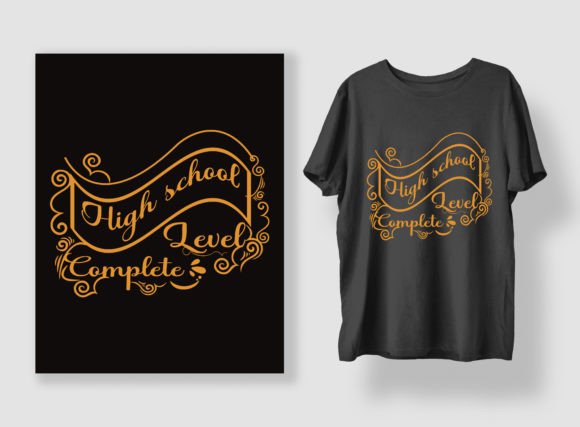
Back to School T Shirt Design 25
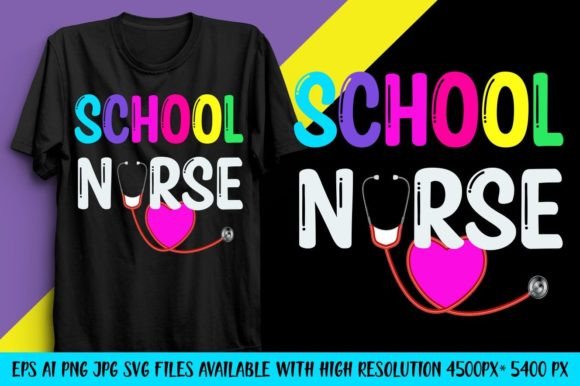
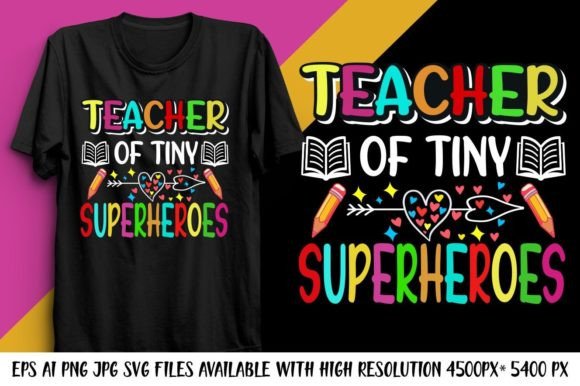
As someone who’s stitched hundreds of school-themed projects—from kindergarten backpacks to high school graduation caps—I opened Back to School T Shirt Design 25 expecting something cheerful but generic. What I found was sharper than expected: a clean, confident layout with balanced negative space and intentional visual hierarchy. It reads as “high school level” not because it’s overly complex, but because it avoids cutesy motifs and leans into bold, legible shapes—exactly what holds up when translated from vector to thread.
A Real-World Test: Embroidering a Canvas Tote for Back-to-School Week
Last week, I used Back to School T Shirt Design 25 on a natural canvas tote for a local teacher boutique. No screen printing—just direct embroidery on medium-weight, tightly woven fabric. The result? Crisp edges, no puckering, and zero distortion—even at 4.2 inches wide. That tells me the vector construction is sound: no overlapping paths, no stray anchor points, and consistent stroke weights across letters and graphic elements. It’s rare to find a design labeled “100 vector shapes resizable” that actually behaves like one under real hoop tension.
Where This Design Shines (and Where It Needs Care)
Back to School T Shirt Design 25 works exceptionally well for:
- Custom apparel—especially on crewneck sweatshirts and structured tees where stitch definition matters;
- Embroidered patches, thanks to its contained footprint and minimal fine-line detail;
- Tote bag design and apron embroidery, where readability at arm’s length is key;
- Personalized gifts like baby onesies (scaled down to 2.8") or teen pillow covers—provided stabilizer choice matches fabric weight;
- Small shop product branding: it reads clearly in digital mockups and translates cleanly to printed hang tags or social media previews.
But—and this is important—Back to School T Shirt Design 25 isn’t universally forgiving. I’d hesitate to use it on:
- Thin or stretchy fabric (like jersey knits) without cutaway stabilizer and reduced stitch density;
- Dark fabric without testing thread contrast first—the design relies on shape clarity more than tonal variation;
- Caps or curved surfaces unless you’re using a cap frame and adjusting tension manually;
- Layered garments (e.g., hoodies with thick lining) without verifying fill stitch penetration;
- Products meant for frequent washing unless you confirm satin stitch coverage is dense enough to resist fraying over time.
Design Personality Meets Practical Embroidery
This isn’t a cartoonish apple-and-pencil motif. Back to School T Shirt Design 25 carries a quiet confidence—clean lines, slightly extended letterforms, and subtle geometric accents that suggest structure without rigidity. That mood makes it ideal for older students, educators, or even alumni merchandise. It doesn’t scream “back to school”—it nods. And that subtlety pays off in handmade presentation: customers notice craftsmanship before theme.
In terms of embroidery file performance, the included AI, EPS, PNG, and SVG formats mean flexibility—but only if you know how to use them. For machine embroidery, always convert to your machine’s native format *after* reviewing stitch order and jump stitches. Don’t assume “print ready” means “stitch ready.” I ran a quick simulation in my digitizing software and confirmed no nested fills or tiny isolated elements—common pitfalls that cause thread breaks or skipped stitches.
What This Means for Your Craft Business
If you’re an Etsy seller, a small shop owner, or a creative entrepreneur building a seasonal collection, Back to School T Shirt Design 25 is a strong asset—not because it’s flashy, but because it’s reliable. It scales predictably, edits cleanly in Illustrator, and maintains brand consistency whether you’re stitching it in navy thread on oatmeal linen or neon pink on black cotton.
That reliability builds customer trust. When a parent orders a personalized tote with this design, they’re not just buying a phrase—they’re buying clarity, professionalism, and the unspoken assurance that it won’t fade, distort, or unravel after three washes. That perception elevates your entire handmade product line.
Practical Notes Every Embroidery Designer Should Check
Before committing to a batch run—or listing this as a digital embroidery file on your own shop—do these five things:
- Test on scrap fabric using your exact thread, stabilizer, and machine settings;
- Review stitch density in your embroidery software—look for areas where fill stitches crowd tight corners;
- Confirm hoop size compatibility; this design fits comfortably in a 4x4 hoop, but verify before hooping 20 units;
- Inspect small details at 200% zoom—especially letter terminals and any decorative accents;
- Check licensing: the description says “HIGH SCHOOL LEVEL COMPLETE,” but does it permit commercial embroidery or resale of finished items? Always confirm before scaling production.
Also, try rendering Back to School T Shirt Design 25 in black and white first—no color distractions. Does the silhouette still read? Does spacing hold? That simple test reveals more about embroidery viability than any RGB preview ever will.
Final Thought: A Thoughtful Tool, Not a Magic Button
Back to School T Shirt Design 25 won’t replace your eye, your experience, or your relationship with fabric and thread. But it *does* remove guesswork from layout, proportion, and vector integrity—freeing you to focus on execution. Whether you’re prepping for craft fair season, launching a back-to-school capsule collection, or fulfilling custom embroidered patch orders, this design earns its place in your design assets library—not as filler, but as foundation.
It’s the kind of T-Shirt Designs piece that reminds you why thoughtful Graphics matter: not for flash, but for fidelity—to the craft, to the customer, and to the quiet pride of a perfectly stitched return.